
Easy Family Dinners in 30 Minutes or Less: A Realistic System for Real Weeknights
The frameworks, recipes, and shortcuts that end the 5pm "what's for dinner" panic — picky-eater approved.
Gizella Nagyne Palinkas
4/28/20269 min read

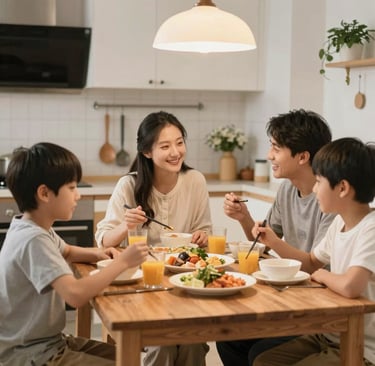
I used to dread 5pm like it was a boss fight. Kids melting down, nothing thawed, everyone hungry. Then I stopped trying to cook interesting dinners every night and built a simple system instead. Here's what changed everything.
Why Weeknight Dinners Feel So Hard
There's a reason 5pm has become the most chaotic hour in so many family homes. Think about the convergence that happens at that exact moment: kids are running on empty after a full school day, parents are mentally depleted from work, energy reserves are at their lowest, and somehow everyone expects a nourishing meal to materialize within the next thirty minutes. It's not that families are bad at cooking. It's that we've stacked the deck against ourselves by leaving the decision — what are we eating tonight? — until the moment we're least equipped to make it.
Layered on top of that is the pressure that modern parenting culture places on dinnertime. We're supposed to serve something balanced, colorful, protein-rich, low in processed ingredients, and interesting enough that kids will willingly eat it. Food content online makes it look effortless. The reality in most homes with small children is something much messier: a toddler who has decided green foods are poison, a six-year-old who only accepted three foods last week and has now rejected one of them, and a partner who's just as tired as you are and equally unhelpful at the moment when you need a plan. The expectation that dinner should be a nutritional masterpiece on a Wednesday night is part of what makes it feel so impossible.
The good news is that the problem isn't your cooking ability or your motivation. The problem is the absence of a reliable system. When there's no system, every dinner is a fresh decision made under the worst possible conditions. When there is one — even a loose, imperfect one — the cognitive load drops dramatically and the food actually gets made. The goal isn't Instagram-worthy dinners. The goal is fed children and a calmer household. Everything else is a bonus.
The 5-Component Formula
Once I stopped thinking about "recipes" and started thinking about components, everything clicked. A reliable weeknight dinner doesn't need to be a dish. It just needs to hit five categories. Mix and match across these five and you'll have a balanced, real meal every time — no recipe required.
1
A Protein
This is the anchor of the meal and the piece most parents overthink. You do not need to marinate anything. Rotisserie chicken from the grocery store is one of the most underrated weeknight tools in existence — it's already cooked, it's inexpensive, and it can become three different dinners. Ground beef, eggs, canned beans, frozen fish fillets, canned tuna, and deli-sliced turkey all count. Keep at least two of these on hand at all times and you always have a protein. If you have protein, you have dinner.
2
A Starch
Rice, pasta, potatoes, bread, tortillas, noodles, or couscous. Starches are filling, kid-friendly, and most of them require very little active cooking time. A pot of pasta takes 10 minutes. Microwave rice pouches take 90 seconds. Tortillas need no cooking at all. If you have a starch and a protein, you're already most of the way to a complete meal. Don't overthink this category — the starch is just the base that makes the meal substantial enough to satisfy everyone at the table.
3
A Vegetable
Fresh, frozen, or canned — all count, and don't let anyone tell you otherwise. A bag of frozen peas requires no chopping, no prep, and cooks in two minutes. Canned corn drained and warmed is a vegetable. Cherry tomatoes halved and put on a plate are a vegetable. The goal here is presence on the plate, not culinary achievement. Research consistently shows that repeated, low-pressure exposure to vegetables matters far more than elaborate preparation. Put the vegetable on the plate without fanfare and move on with your evening.
4
A Sauce or Flavor Element
This is what turns a collection of ingredients into something that actually tastes like dinner. Store-bought pasta sauce, jarred salsa, soy sauce and sesame oil, pesto from a jar, buffalo sauce, teriyaki sauce, canned diced tomatoes with garlic — any of these transforms plain protein and starch into a meal that feels intentional. Keep four or five go-to sauces in your pantry and rotate them across your weekly dinners. The sauce is your biggest flavor lever and it requires zero cooking skill to deploy effectively.
5
A Fat
Butter, olive oil, cheese, avocado, sour cream, or a drizzle of tahini. Fat is what makes food satisfying and keeps kids full through the evening. It's also the thing that makes food taste genuinely good rather than merely adequate. A bowl of pasta with red sauce is fine; a bowl of pasta with red sauce and a handful of shredded parmesan is something your kids will actually request again. Don't skip the fat in an effort to make dinner "healthier" — it's a critical component of both nutrition and palatability.
40% Families that meal plan even loosely spend 23% less on food and report 40% less weeknight dinner stress — making even minimal planning one of the highest-ROI habits a family can build.
7 Go-To 30-Minute Dinners
The formula above is the engine. These seven meals are the vehicle. I cycle through some version of this list every week, adjusting for what's in the fridge. None of them require culinary skill. All of them reliably work.
Sheet Pan Chicken and Vegetables
Cut chicken thighs or breast into chunks, toss with olive oil, salt, pepper, and whatever seasoning you like (garlic powder and paprika is a reliable base). Add chopped vegetables — broccoli, bell pepper, zucchini, sweet potato, or whatever needs using up — to the same pan. Roast at 425°F for 20-25 minutes. One pan, minimal dishes, and the oven does all the work. The high heat caramelizes the edges of the vegetables in a way that makes even skeptical kids more likely to eat them. Serve over rice or with bread on the side.
One-Pot Pasta
Add dry pasta, canned diced tomatoes, broth or water, garlic, and any vegetables or protein you want to a single pot. Bring to a boil, reduce heat, and cook until the pasta is done and most of the liquid is absorbed — usually 12-15 minutes. The starch from the pasta thickens the sauce as it cooks, creating a cohesive dish without any draining, separate sauce-making, or extra pots. Finish with parmesan and olive oil. This is the meal I make when I truly have no plan and ten minutes of mental bandwidth.
Taco Night
Brown ground beef or turkey with taco seasoning (a packet works fine). Warm tortillas. Set out toppings in small bowls: shredded cheese, sour cream, salsa, lettuce, diced tomato, avocado. Let everyone build their own. Taco night is the single most useful meal in a family with picky eaters because it converts dinner into an assembly exercise with visible, separate components that children control. Even kids who claim to hate everything will build and eat a taco. Add a can of refried beans warmed in a pan for an extra protein boost.
Fried Rice
This is where leftover rice earns its keep — cold rice actually fries better than fresh, so this is a perfect use for yesterday's leftovers. Scramble two or three eggs in a hot pan with oil, push to the side, add the cold rice and break it up, splash in soy sauce and sesame oil, and stir everything together. Add frozen peas or corn straight from the bag — they'll thaw and warm in the pan within a minute or two. Add any leftover protein you have. The whole thing takes twelve minutes and tastes like takeout. Kids almost universally love it.
Quesadillas
Layer shredded cheese and any fillings (cooked chicken, black beans, corn, sautéed peppers) between two flour tortillas and cook in a dry pan over medium heat until golden and crispy on both sides, about three minutes per side. Cut into wedges. Serve with salsa, sour cream, and a simple side salad or sliced avocado. Quesadillas are fast, customizable, and almost impossible to mess up. They also reheat well, which makes them a solid option for nights when family members are eating at different times.
Bean and Cheese Burritos
Warm canned refried beans or whole black beans with cumin, garlic powder, and a pinch of salt. Spread onto large flour tortillas, add shredded cheese, rice if you have it, and any other fillings. Roll and serve with salsa or hot sauce. This is one of the fastest dinners on the list — fifteen minutes start to finish — and one of the most nutritionally complete, with plant protein, fiber, complex carbs, and fat from the cheese all present. It's also extremely cheap, which matters on the weeks when everything else has gotten expensive.
Stir-Fry
High heat, a good pan, and ten minutes of actual cooking. Slice protein thin (chicken breast, beef, shrimp, tofu), cook in batches in a very hot pan with oil, remove, then cook your vegetables (broccoli, snap peas, carrots, bell pepper) the same way. Return the protein, add your sauce — soy sauce, oyster sauce, a splash of sesame oil, and a little cornstarch mixed with water to thicken — and toss everything together. Serve over rice or noodles. The key to stir-fry is heat and not overcrowding the pan; both are habits, not skills, and they come naturally after the second or third time you make it.
Batch Prep in 30 Minutes on Sunday
Full Sunday meal prep — the kind where you cook seven dinners and label everything in matching containers — is a wonderful idea that most parents abandon by the third week because it takes three hours and requires the energy of someone who just had a restful weekend. The more sustainable version is targeted batch prep: pick three or four high-leverage tasks that each take five to ten minutes and together change the entire character of your week. Here's what makes the biggest difference.
🍚
Cook a Big Pot of Grains
Rice, quinoa, farro, or barley. A large batch takes the same effort as a small one and gives you a ready starch for three to four dinners. Pull from it for fried rice, burrito bowls, or a simple side dish all week long. Store in an airtight container in the fridge for up to five days.
🍗
Prep One Protein
Poach chicken breasts and shred them, brown a pound of ground beef and season it, or hard-boil a dozen eggs. Having cooked protein in the fridge eliminates the most time-consuming part of weeknight cooking. That shredded chicken becomes tacos on Monday, quesadillas on Wednesday, and soup on Friday.
🥦
Wash and Chop Vegetables
Pick two or three vegetables and wash, peel, and cut them while you're in the kitchen anyway. Broccoli florets, sliced bell peppers, and peeled carrots stored in containers mean the barrier to adding a vegetable to dinner drops to almost zero. You won't skip the vegetable when it's sitting pre-cut in plain sight.
🧅
Dice Onion and Garlic
Onion and garlic are the base of almost every savory dish, and chopping them is the most tear-inducing, time-consuming piece of daily cooking. Dice a large onion and mince several cloves of garlic on Sunday, store them in small containers or zip bags in the fridge, and reach for them throughout the week. This single habit shaves five minutes off every dinner.
🫙
Mix One Sauce or Marinade
A simple weeknight marinade — olive oil, lemon, garlic, herbs — takes two minutes to mix and can be used on chicken, fish, or vegetables throughout the week. Alternatively, portion out individual servings of store-bought sauces into small containers so they're grab-and-go ready. Having a flavor element pre-portioned removes one more decision from the 5pm rush.
📋
Write Three Dinner Plans
Not seven. Just three. Look at what you've prepped, what's in the fridge, and pick three specific dinners for the week. Write them on a whiteboard, a sticky note on the fridge, or a note on your phone. The other nights can be flexible — breakfast for dinner, freezer meals, or takeout as a genuine choice rather than a surrender. Three planned meals is enough to transform your week.
Getting Kids Into the Kitchen
The counterintuitive truth about involving children in cooking is that it does, in the short run, slow you down — and in the long run, it's one of the most time-saving investments you can make as a parent. Children who regularly participate in cooking are significantly more likely to eat what was prepared, are less likely to refuse unfamiliar foods, and by age ten or eleven can often execute simple dinners independently. That last point alone is worth the initial patience investment. The key is not to hand a child the full responsibility of dinner and see what happens, but to assign one specific, contained job before they walk into the kitchen. When the task is defined and the ingredients are ready, kids become genuinely helpful rather than chaotic.
Age-appropriate tasks matter here. Toddlers between two and three can wash produce under running water, tear lettuce leaves, and stir cold ingredients in a bowl — simple enough to be safe, real enough to feel meaningful. Preschoolers between four and five can pour pre-measured amounts into bowls, spread butter on bread, and mix batters. School-age children between six and eight can peel carrots with a Y-peeler, crack eggs, operate a salad spinner, and use a kid-safe knife on soft foods like bananas or cooked potatoes. Children nine and older can follow a simple recipe with light supervision and often take genuine pride in producing a dish the family eats. Start small, stay consistent, and resist the urge to take over when things move slowly. The mess and the extra minutes are the tuition on a skill that pays dividends for years.
Stay
Join our newsletter for parenting tips
Contact
Connect
hello@happyparentstoday.com
Copyright © 2026 Happy Parents Today. All rights reserved.