
30 Budget-Friendly Summer Activities for Kids Ages 3-6
30 budget-friendly summer activities for kids ages 3–6: STEM, outdoor, art, stories and cooking. Preschool activities that balance structure and play.
Gizella Nagyne Palinkas
6/15/202614 min read
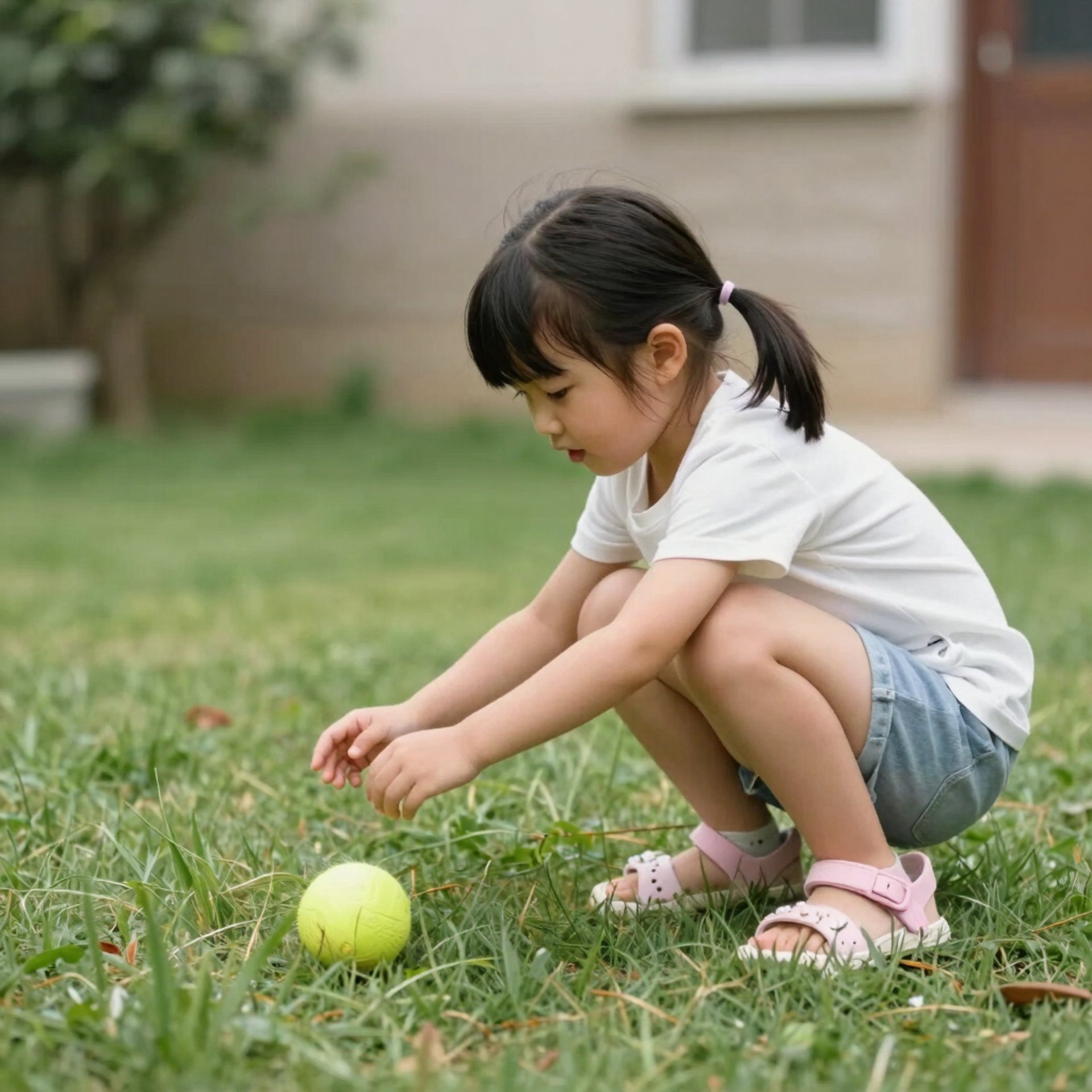
The preschool and kindergarten years sit in a fascinating sweet spot: your child is past the chaos of toddlerhood but not yet in the structured world of school. Summer is when you get to lean into that — when learning happens in garden beds, kitchen measurements, and afternoons with story stones. This list is designed for that window: curious, capable, and ready for more.
Ages 3 to 6 represent one of the most remarkable developmental windows in childhood. Symbolic play is now fully emerged — a child can hold an imaginary world in their mind and act within it. Cooperative play is beginning to develop between ages 3 and 4, which means other children (and willing adults) become genuine play partners rather than simply parallel presences. Language is exploding in this period: children move from roughly 900 words at age 3 to a vocabulary of 3,000 to 5,000 words by the time they reach kindergarten. Fine motor skills are becoming genuinely precise — scissors, pencils, and small manipulatives are now within reach. And while big emotions are very much real, children in this window are actively developing the self-regulation capacity that will carry them through school and beyond.
The summer learning question for this age group is not about whether to include learning — it's about how. The answer is embedded learning: math in the lemonade stand (counting coins, measuring sugar and water), science in the garden (tracking growth, observing insects), literacy in the story stones (narrative structure, vocabulary). Children in this developmental window absorb these skills through play without any sense of "doing school," and the informal context actually deepens learning because the motivation is intrinsic. They're not practicing math because they're supposed to. They're counting because they want to know how much the lemonade costs.
This age can also handle significantly more. Attention spans at ages 3 to 6 range from 15 to 45 minutes for genuinely engaged activities — a dramatic increase from the toddler years. Children this age can follow multi-step instructions ("first we mix, then we pour, then we wait"), genuinely love to help with real tasks, and actively want to feel capable and competent. This is the age of "let me do it myself" — and the best summer activities honor that impulse rather than work around it.
30 Summer Activities for Ages 3–6
STEM Explorations
STEM sounds intimidating but at this age it is simply "let's try something and see what happens." Children ages 3 to 6 are natural scientists: they hypothesize constantly (even if they don't use that word), test relentlessly, and revise their understanding based on what they observe. The activities below give that instinct a structure — materials, a question, and room to discover the answer through their own experimentation. Skills built: curiosity, problem-solving, scientific thinking, early number sense.
1
Sink or Float
Fill a bin with water. Gather 10 to 15 kitchen items — a spoon, an orange, a grape, a cork, a rock, a key, a plastic bottle cap, a coin. Before each item enters the water: predict, then test. Record results on a simple two-column chart ("sink" and "float"). Introduce the word hypothesis and watch them use it for the rest of the summer. This activity builds scientific method thinking in the most natural possible format.
2
Mini Garden
A pot, soil, and fast-germinating seeds — sunflowers and beans both show results within 7 to 10 days, which is within the patience horizon of a preschooler. Track growth with a daily sticker on a hand-drawn chart taped to the wall. Measure weekly with a ruler. This single activity teaches patience, sequential time, measurement, and the miracle of biology. Watching something they planted break the soil is a profoundly satisfying experience at this age.
3
Baking with Measuring
Simple recipes — banana bread, basic cookies, pancakes — that require counting eggs, measuring cups of flour, and following steps in sequence are math and early reading instruction in delicious disguise. At age 3, the child pours the pre-measured flour. At age 6, the child reads the recipe card and measures independently. The eating part is motivating in a way that no worksheet ever will be. Real math, real literacy, real lunch.
4
Ramp Experiment
Collect cardboard tubes (paper towel and toilet paper rolls) and tape them to a wall or door frame at different angles using painter's tape. Send toy cars down each ramp. Which angle is fastest? Which makes the car travel the farthest on the floor? What happens if you stack two tubes? This is engineering thinking at its most accessible — the child is designing, testing, and adjusting based on evidence. A genuine STEM process in a 20-minute setup.
5
Ice Melt Watercolor Art
The night before: fill an ice cube tray with water. Add different watercolor paint concentrations to each section. Freeze overnight. Set the colorful ice cubes on white paper or watercolor paper the next day and watch as they melt. Colors spread and blend as the ice shrinks, creating an ever-changing painting that the child did not entirely control. Science and art happen simultaneously, and the result is genuinely beautiful.
Outdoor Adventures
The outdoors is the original classroom for this age group. Research consistently shows that regular nature contact reduces anxiety, builds attention capacity, and supports physical development across multiple domains. Children ages 3 to 6 are developmentally primed for outdoor exploration — their sensory systems are still actively calibrating, their bodies need movement, and the natural world presents genuinely novel stimuli that no indoor environment can replicate. Skills built: physical development, nature connection, observation, persistence.
6
Nature Scavenger Hunt
Print or write a simple list: something yellow, something rough, something living, a feather, something with holes in it, something smaller than your thumb, something that makes a sound. Head outside. The search develops observation skills, classification thinking (is this rough or smooth?), and language. For non-readers, draw the items. For beginning readers, use simple words they can decode. This scales naturally from 3 to 6 without changing a single item on the list.
7
Bug Hotel
Stack sections of bamboo cane, pinecones, rolled cardboard tubes, and bundles of tied sticks in a shaded garden corner (or inside a small wooden frame or crate). Leave it undisturbed for a week and then check for residents. This multi-day project introduces habitat thinking, ecosystem concepts, and patient observation — none of which require any instruction, only the right setup and a willingness to wait and see what arrives.
8
Shadow Tracing
On a sunny morning, go outside and trace each other's shadows on the sidewalk with chalk. Mark the time. Come back in the afternoon and stand in the same spot. The shadow has moved — sometimes dramatically. Why? This is Earth's rotation explained through body shadows, requiring no complicated vocabulary, just the observation of something real and visible happening to their own outline. Return the next morning and trace again.
9
DIY Bird Feeder
Roll a pine cone in peanut butter (or sunflower seed butter for nut-free settings), then roll it in birdseed. Tie with a piece of string and hang from a tree branch or window ledge. Keep a "bird log" — a piece of paper and pencil near the window — to record visitors with simple drawings or marks. This activity builds patience, observation, and the habit of scientific notation in the most natural possible context.
10
Backyard Olympics
Five events: a long jump (measure each attempt with a tape measure and record the number), a hula hoop contest, a balance beam walk along a painter's tape line, a sponge relay race (carry water in a soaked sponge across the yard), and a target throw (chalk circles on the ground). Award foil "medals" after all events. This activity combines measurement, cooperation, movement, and a genuine sense of occasion.
Literacy and Storytelling
Ages 3 to 6 represent a critical window for language development and pre-literacy skill building. Vocabulary acquired during this period is among the strongest predictors of later reading comprehension. But the most effective vehicle for vocabulary growth is not worksheets or flashcards — it is stories, conversation, and narrative play. The activities below are rooted in that research: they grow vocabulary organically through play, introduce narrative structure through storytelling, and build early literacy through playful engagement rather than direct instruction. Skills built: vocabulary, narrative thinking, early literacy, imagination.
11
Storybook Picnic
Take a favorite book outside on a blanket. Read it together. Then act out scenes: who plays who, what props can you find nearby? Retell the story with a different ending — what if the wolf had been friendly? What if Goldilocks had brought gifts? The outdoor setting makes familiar books feel fresh, and the physical acting-out of scenes deepens comprehension in ways that sitting and listening simply cannot replicate.
12
Story Stones
Paint simple images on smooth rocks: a house, a sun, a child, a dog, a river, a dragon, a castle, a boat, a tree, a moon. Let the paint dry. Place all stones in a drawstring bag. The game: draw three stones and tell a story using whatever images you pulled. The randomness ensures the story is always different. This is endlessly replayable, requires no electricity, and travels beautifully. Even 3-year-olds can play with support; 6-year-olds play independently for extended periods.
13
Alphabet Nature Walk
Walk through the neighborhood or garden finding one object that starts with each letter of the alphabet, in order. "A is for acorn. B is for bark. C is for cloud. D is for dandelion." Take a photo or make a small sketch of each find. This activity takes letters completely off the page and places them in the real physical world — one of the most effective ways to build letter-sound connections with young children who are not yet reading.
14
Make Your Own Mini Book
Fold 4 sheets of paper in half together and staple along the spine to create an 8-page booklet. Hand it to the child with this invitation: draw your story. Your job as the adult: write the words they dictate under each drawing. The result is a book they authored — with their words and their pictures — which they can read again and again. A tangible book that a child made themselves occupies a category of pride that purchased books simply cannot reach.
15
Paper Bag Puppets
Decorate lunch bags with markers, yarn for hair, googly eyes, tissue paper, and fabric scraps. Create named characters with distinct personalities. Then put on a show: a conflict, a journey, a resolution. Combine the craft time (often 20–30 minutes) with the performance time (often another 20–30 minutes for older children) and this single activity fills a summer morning. Storytelling, language development, and creative confidence in one continuous session.
Creative Arts and Music
Arts at ages 3 to 6 are about process and expression, not product. The goal is never to make something "good" — it is to make something entirely theirs: chosen, executed, and owned. This creative confidence built through low-stakes experimentation transfers broadly — children who feel free to try and fail in art also feel freer to try and fail in math, science, and social situations. Music adds another dimension: rhythm, pattern, listening, and physical coordination all develop through engagement with sound and movement. Skills built: creative confidence, fine motor precision, emotional expression, musical awareness.
16
Watercolor Resist Art
Using a white crayon on white paper, draw a picture with firm pressure — a sun, stars, a face, geometric shapes, a secret message. Paint over the entire surface with liquid watercolors. The wax of the crayon resists the paint, and the hidden drawing appears as if by magic. Even children who have done this before find the reveal moment genuinely delightful. The technique is accessible to 3-year-olds and endlessly variable for 6-year-olds who can plan elaborate hidden scenes.
17
Homemade Instruments
A rice shaker (any sealed container with dry rice), a rubber band guitar (bands stretched over an open shoebox), a pot drum set (varying sized pots with wooden spoon mallets). Play together, experiment with tempo and volume, record your "concert" on a phone. Creating an instrument from household materials and then performing on it builds the connection between material, action, and sound — a genuine chain of cause-and-effect reasoning.
18
Dance Freeze
Play music and move freely. When the music stops, freeze — completely still. Add a creative layer: freeze like a specific animal ("freeze like a giraffe reaching for a leaf"), a weather event ("freeze like you're caught in a storm"), or an emotion ("freeze like you just found treasure"). This builds listening skills, body awareness, creative interpretation, and self-regulation (holding still on cue). It is also genuinely fun for adults.
19
Leaf and Flower Printing
Collect a variety of leaves — different sizes, shapes, and vein structures. Brush paint generously onto the back surface of a leaf (where the veins are most raised). Press firmly onto paper. Lift carefully to reveal the print. The detail in the vein patterns is genuinely stunning, often surprising even to the adult. Using different colors and layering prints creates a complex, beautiful result from completely natural materials.
20
Collaborative Summer Mural
Roll out a long piece of craft paper on the floor indoors or tape it horizontally to an outdoor fence. Set out paints, crayons, and markers. The brief: everyone contributes to one giant summer scene — no assigned sections, no rules about overlapping. The negotiation, the shared decision-making, and the pride in a collective piece all happen organically. The finished mural is worth displaying for the remainder of the summer as a family artifact.
Social-Emotional Play
Ages 3 to 6 are when emotional intelligence is actively being constructed, not passively absorbed. Children this age are building the vocabulary to name feelings, the capacity to recognize emotions in others, and the early problem-solving skills to navigate conflict without an adult mediating every exchange. Play is the primary vehicle for all of this — far more effective than instruction or correction. The activities below embed emotional skill-building in play contexts where it feels natural and low-stakes. Skills built: emotional vocabulary, cooperation, conflict navigation, empathy, self-awareness.
21
Emotion Charades
Write feelings on index cards or small pieces of paper: happy, frustrated, nervous, proud, bored, silly, confused, excited, disappointed, surprised. Take turns drawing a card and acting out the feeling with face and body only — no words. Others guess. This builds the emotional vocabulary that research consistently links to better self-regulation: children who have more words for feelings can manage those feelings more effectively. Plus, it's genuinely funny when someone acts out "confused."
22
Cooperative Tower Challenge
Build the tallest possible tower together using blocks, Legos, books, or any stackable objects — with one rule: no one knocks it down on purpose, and each person adds only one block at a time before passing to the next person. The negotiation that emerges ("not that one, it's too heavy for the top"), the shared tension as the tower gets taller, and the collective pride (or the shared laughter at the collapse) are all genuine social-emotional experiences in miniature.
23
Compliment Circle
At the end of the day, sit together in a circle. Each person says one genuine, specific kind thing about each other person in the circle. Not "you're nice" — but "I noticed you shared your snack without being asked today." This takes three to five minutes. It builds gratitude, attentiveness to others' actions, and the language of specific appreciation. Children who practice this regularly become more attuned to the people around them.
24
Feelings Puppet Show
Use puppets or stuffed animals to act out a social conflict: someone takes a toy without asking, someone is left out of a game, two friends want to play different things. Pose the question: how do the characters solve it? Then let the child direct the resolution. This is social problem-solving rehearsal in the safest possible format — the characters are at risk, not the child. Solutions generated in play are more likely to transfer to real situations than solutions instructed by an adult.
25
Community Helper Dress-Up
Assemble simple costumes from household items: a red shirt and cardboard helmet for a firefighter, a white shirt and popsicle stick stethoscope for a doctor, an apron and mixing bowl for a chef, a bag and hat for a mail carrier. Role-play scenarios within each role: the firefighter rescues someone from a building, the doctor treats a patient, the chef serves a meal. Role-play builds empathy through perspective-taking and deepens understanding of community interdependence.
Cooking and Life Skills
This age group desperately wants to be capable. Real tasks — with real results they can taste, show off, or give to someone — are among the most motivating activities available to children ages 3 to 6. Cooking in particular is an extraordinarily rich developmental context: it involves measurement (math), sequencing (executive function), reading (literacy), cause and effect (science), and the satisfaction of contributing something genuinely useful to the family table. This is not enrichment. This is life. Skills built: measurement, sequencing, independence, self-confidence, positive relationship with food.
26
Fruit Kabob Assembly
Provide a selection of pre-cut fruit and blunt skewers (or use toothpicks with supervision for older children). The task: assemble your own kabob. Optional challenge: create a color pattern (red, yellow, red, yellow). The fine motor work of threading slippery fruit onto a stick is real and satisfying, the result is immediately edible, and the ownership of having made their own snack often persuades children to eat fruit they would otherwise refuse.
27
Smoothie Lab
Lay out a selection of smoothie ingredients — frozen berries, banana, yogurt, milk, spinach, honey. Each child chooses exactly 3 ingredients from the options available. Blend. Taste. Rate on a 1-to-5 scale and write the recipe down (or dictate it for a non-writer). Try a different combination the next day. This is science (hypothesis and testing), math (measurement and rating), and a snack. The lab notebook of recipes is a satisfying summer artifact.
28
No-Bake Energy Balls
Combine 1 cup rolled oats, 1/2 cup peanut butter, 1/3 cup honey, and 1/2 cup chocolate chips in a bowl. Mix together thoroughly. Chill the mixture for 30 minutes. Roll into balls. Count the balls. Measure the ingredients (introduce tablespoon and cup vocabulary). Refrigerate and eat. This recipe is genuinely child-executable from start to finish with minimal adult support — and the result is something they made themselves that the whole family will eat.
29
Lemonade Stand
Squeeze lemons (real ones — the effort matters), measure sugar and water, stir, taste, adjust. Make a sign with a price. Set up on the sidewalk or driveway. Sell lemonade. Count the money collected. Make change if they're ready for it. This is math, entrepreneurship, social confidence, and summer childhood all in one afternoon. The pride that comes from handing someone a cup of something they made and receiving a dollar in return is not replicable in any other context.
30
Sandwich Art
Bread, spreads of their choosing, and an assortment of cut vegetables and fruits. The task: make a face on the sandwich. Olive eyes, carrot smile, cucumber hair, red pepper ears, a raisin nose. Edible art that they designed themselves, made themselves, and will actually eat — even the pickiest eaters are often more willing to consume food they assembled. The creative investment creates an ownership that overrides even familiar food aversions.
Balancing Structure and Free Play
Research consistently supports a simple recommendation for children ages 3 to 6: one or two planned activities per day maximum, with the majority of waking time as unstructured free play. Over-scheduling is as stressful for children this age as under-stimulation. The child who moves from structured activity to structured activity without breathing room does not get what their developing brain most needs, which is the experience of initiating, directing, and sustaining their own play. The golden ratio for summer: one structured activity in the morning, free play — ideally outdoors — in the afternoon. Unstructured time is not empty time. It is the time when the most important developmental work happens.
Activities That Grow With Your Child
Many of the activities on this list work very differently at age 3 than they do at age 6 — not because the activity has changed, but because the child has. The ramp experiment at age 3 is about which car goes faster. At age 6, it is about finding the optimal angle and testing the hypothesis systematically. Baking at age 3 means pouring the pre-measured flour into the bowl. At age 6, it means reading the recipe card, measuring independently, and adjusting for a substitution. Story stones at age 3 produce a two-sentence narrative. At age 6, they produce a five-chapter story with named characters and a plot arc. Trust the activity. It scales with the child, without any effort on your part.
The preschool years (ages 3–6) represent one of the most intensive periods of brain development in the human lifespan. More neural connections form in this window than at any other time after birth. What children do and experience right now matters enormously.
Frequently Asked Questions
How is this list different from the toddler list?
These activities are designed for children with longer attention spans (15–45 minutes), emerging literacy, more sophisticated fine motor skills, and growing capacity for cooperative play. They're genuinely more complex and satisfying for 3–6 year olds — not just toddler activities with fancier names.
How do I prevent summer learning loss without making it feel like school?
The answer is embedded learning — math in the lemonade stand, reading in the story stones, science in the garden. Children absorb these skills through play without any sense of "doing school."
My 3-year-old and 6-year-old need such different activities. Can they do these together?
Many activities bridge the gap beautifully. Assign age-appropriate roles: the 6-year-old is the "director" of the puppet show, the 3-year-old is the performer. Cooperation across ages builds leadership skills for the older child simultaneously.
How many activities should we do per day?
One or two structured activities plus plenty of unstructured free time is the research-backed sweet spot. Over-programming is as stressful for children as under-stimulation. Unstructured outdoor time absolutely counts.
What if my child refuses everything I set up?
Follow their lead — offer, don't insist. They often circle back to activities when they're ready. The worst outcome is turning play into a power struggle. Leave the activity accessible and move on.
Are screens still okay during summer?
Yes — in balance and context. The goal is not screen elimination but ensuring play, movement, social interaction, and outdoor time fill most of the day. Screens as wind-down after an active morning is very different from screens as the default all-day activity.
Stay
Join our newsletter for parenting tips
Contact
Connect
hello@happyparentstoday.com
Copyright © 2026 Happy Parents Today. All rights reserved.