
Road Tripping with a Toddler: Tips for a Smooth and Sane Car Journey
Road trip with kids and a toddler? When to leave, screen-free toddler car games, a snack strategy, smart stops, and what to do when it all goes wrong.
Gizella Nagyne Palinkas
6/21/20268 min read
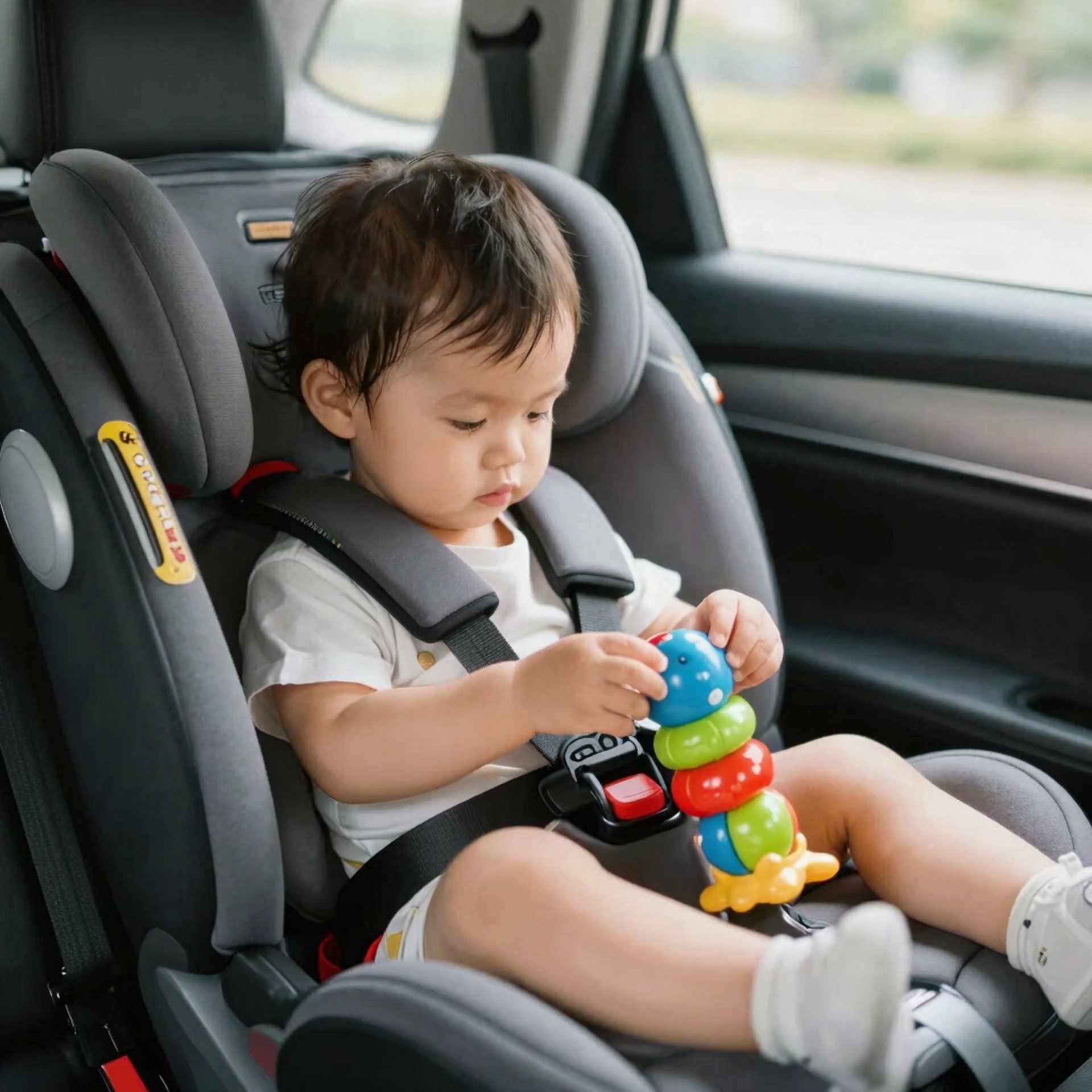
Last summer, we drove eight hours with a two-year-old and arrived at our destination feeling surprisingly okay about the whole thing. The summer before, we drove four hours with the same child and it felt like a hostage situation. The difference? Everything in this article.
There is a pervasive myth that road trips with toddlers are inherently miserable — that you should just wait until they are older, or fly instead, or simply not go anywhere at all. I reject this entirely. Road trips are one of the great family travel formats: no airport security, no gate delays, no forty-dollar sandwiches, no ear pressure emergencies at altitude. You stop when you want. You sing as loud as you want. You pack the cooler however you want.
The honest truth is that a poorly planned road trip with a toddler is genuinely difficult. But a well-planned one — with the right departure time, the right stop strategy, the right snack game, and the right mindset — can be a genuine adventure. This is your complete guide to getting it right.
The Most Important Decision: When to Leave
Departure timing is the single highest-leverage decision you will make about your road trip. Get it right and the entire journey can unfold in calm, predictable segments. Get it wrong and you will spend hour two of the drive rotating through every coping mechanism you have while your toddler dismantles the back seat.
There are two departure windows that work reliably well for toddlers. The first is very early morning: 5am or 6am, before your toddler is fully awake. Dress them in their pajamas, transfer them to their car seat as gently as possible, and drive. Most toddlers will fall back asleep within minutes of the car moving, and you can cover a huge portion of your journey — often three or four hours — in blessed quiet while they sleep. The car does the hard work for you.
The second window is at the start of your toddler's regular nap time. If your child naps at 12:30pm, get in the car at 12:15. They are naturally primed for sleep, the motion helps, and you will again sail through the nap window with minimal effort. You then have a well-rested toddler for the second half of the drive.
What does not work: departing mid-morning when your toddler is fully alert and at their most active, or late evening when they are overtired and dysregulated. Both scenarios set you up for a battle rather than a smooth drive.
2.6x longer comfortable car time for a fully-prepared 3-year-old versus an unprepared one in the same age group. Preparation doesn't just reduce stress — it measurably extends how long toddlers can happily tolerate car travel.
Car Entertainment That Doesn't Need a Screen
Screens are fine — let's be honest about that upfront. We will come back to them. But screen-free entertainment is worth building into your rotation because it prevents the "nothing works unless there's a screen" spiral, it preserves your screen option as a powerful reset tool, and it genuinely engages toddlers in ways that screens often don't.
1
Audiobooks and Children's Podcasts
This is the most underused tool in the family road trip arsenal, and it is genuinely life-changing once you discover it. A good audiobook narrated by an engaging voice holds toddlers' attention for far longer than most parents expect. Classics like the Winnie the Pooh stories, The Gruffalo, and the complete works of A.A. Milne all work beautifully in audio form. Children's podcasts like Wow in the World, Story Pirates, or Circle Round are designed specifically for car listening and are free. Put one on, and you will often find your toddler sitting quietly and listening with genuine absorption — a true miracle at 65 miles per hour.
2
The Surprise Bag System
This is the single most effective non-screen entertainment strategy for road trips, and it is embarrassingly simple. Before the trip, gather 6–8 small, inexpensive, novel items: a mini sticker book, a packet of Play-Doh, a new small figure, a simple puzzle, a small container of kinetic sand, a finger puppet set. Wrap each one loosely or put each in a small paper bag. Every 30–45 minutes of the drive, produce a new one. The novelty effect is extraordinary — a toddler who has been climbing the walls will immediately stop to examine and engage with something brand new. You have more time between reveals than you think, because novelty buys genuine focused engagement, not just distracted playing.
3
Window Games
Window games are not just for school-age kids — simplified versions work beautifully for toddlers and require zero preparation. I Spy with colors rather than letters ("I spy something red!") works well from around 18 months. Spotting animals, counting trucks, finding yellow cars, watching for bridges, looking for dogs — these are all engagements that cost nothing and keep toddlers looking out the window rather than at the back of your seat. Your enthusiasm for the game is directly proportional to how long it holds their interest: sell it, and they will play for longer than you expect.
4
Singing and Silly Games
This requires the most parent energy but produces the most joy per minute of any car activity. Toddlers love repetitive, participatory songs — Old MacDonald, Wheels on the Bus, Head Shoulders Knees and Toes — and they especially love when you sing them wrong on purpose and invite the toddler to correct you. "Old MacDonald had a farm, and on that farm he had a... ELEPHANT!" produces genuine delight and engagement. It is tiring. It is also wonderful. Use it strategically for the most difficult stretches of the drive.
The Snack Strategy: Your Most Important In-Car Tool
Snacks on a road trip are not just food. They are entertainment, they are mood management, they are a reliable distraction during difficult moments, and they are the physical fuel that keeps little people from becoming unraveled. The snack strategy deserves serious advance planning.
The golden rules of road trip snacking for toddlers: pack familiar favorites rather than exciting new foods (this is not the place to discover that your toddler doesn't like hummus); choose low-mess, slow-eating options (the snack that takes ten minutes to eat is worth more than five snacks that take one minute each); avoid anything that requires a spoon, a bowl, or refrigeration after opening; and bring significantly more than you think you need, because snacks will be called upon as an entertainment tool as well as a meal.
Best road trip snacks for toddlers: mini rice cakes, cheese sticks, dry cereal in a small reusable cup, apple or pear slices in a sealed container, raisins in individual boxes, cucumber rounds, cherry tomatoes, and peanut butter on mini crackers (if allergies allow). Avoid: yogurt pouches that squirt everywhere when squeezed with excitement, anything chocolate that melts on upholstery, and fizzy drinks that make children hyperactive and need the bathroom urgently.
Pack snacks in a dedicated cooler bag that can sit on the floor of the back seat, accessible to a parent or older sibling without anyone having to stop or reach dangerously. Individual servings in small containers or sealed bags mean you never have to manage a full bag of crackers in motion — a logistical nightmare.
Car Setup Hacks and Stop Planning
🪟
Window Shades Are Non-Negotiable
A sun-baked toddler is an unhappy toddler. Stick-on window shades on the rear side windows protect against heat, glare, and the very specific misery of the sun directly in a toddler's eyes for three hours. They also make the back seat darker for nap time. Buy them — they are cheap and worth every penny.
🗂️
Backseat Organizer
A fabric organizer that hangs behind the front passenger seat and holds snacks, wipes, small toys, and a trash bag puts everything within reach without requiring you to stop or dig through bags. It is the single best car accessory for toddler travel, full stop.
⏱️
Plan Stops Around Movement
The best road trip stops are not fuel station forecourts — they are parks, playgrounds, rest areas with grass, or any place where a toddler can run freely for 20 minutes. GPS apps can filter for parks and playgrounds along your route. Time stops every 90 minutes for older toddlers, every 60 minutes for younger ones.
🎵
Build the Playlist in Advance
Download a playlist of your toddler's favorite songs before you leave — no relying on signal. Mix in some adult-friendly songs too, because you will be listening to this for hours. A good road trip playlist for families has something for everyone, and toddlers are actually remarkably tolerant of songs they don't know if the beat is upbeat.
🗑️
In-Car Trash System
Designate a small bag or container as the car trash receptacle from the very start of the trip. Wrappers, used wipes, juice boxes, sticker backings — all of it goes in one place. A tidy car reduces stress for everyone, and it means you are not driving for four hours with a crinkled juice box rattling around the footwell.
🌙
Overnight Drives for Long Trips
For very long road trips (over 6 hours), consider driving overnight — toddlers sleep, adults share the driving, and you cover enormous distance with zero entertainment required. You arrive tired, but so does everyone, and you haven't spent eight hours being a one-person entertainment system in the back seat.
Handling "Are We There Yet?" — And When Everything Goes Wrong
At some point, regardless of how well you have prepared, your toddler will reach their limit. It is not a failure — it is developmentally appropriate. Toddlers have limited capacity for delayed gratification, limited vocabulary for communicating frustration, and a completely rational dislike of being confined to a car seat for hours. You are asking a genuinely hard thing of them.
When the wheels come off, the most important thing to do is pull over. A distressed toddler climbing, throwing, or screaming in a car is a genuine safety hazard as well as an emotional one. Find the nearest safe stopping place — a parking lot, a lay-by, a side road — and get everyone out of the car. Even ten minutes of standing on actual ground, breathing actual air, and having a physical break resets the nervous system remarkably effectively.
For the "are we there yet?" question specifically (usually starts around age 3, since younger toddlers don't yet have the concept of anticipated arrival), I have found that honest, concrete answers work better than vague ones. "We will be there after two more naps" or "we will stop at the next playground, and then one more drive, and then we are there" gives toddlers something they can hold onto. Abstract time concepts mean nothing to them, but concrete sequences are surprisingly manageable.
And when nothing works? Remember: this too ends. The destination is coming. The journey will be a story you tell later. Some of the best family memories begin with the sentence "remember that road trip where everything went completely sideways?" — and your toddler will not remember most of the hard parts anyway.
Frequently Asked Questions
What is the best time to leave for a road trip with a toddler?
The two golden departure windows are very early morning (5–6am, before your toddler is fully awake, so they fall back to sleep in the car) or at the start of their regular nap time. Both strategies let the car do the heavy lifting of getting your toddler to sleep during the longest and most productive driving stretch of the trip.
How often should you stop on a road trip with a toddler?
The general rule is every 1.5 to 2 hours for toddlers aged 2 and older, and roughly every 60–90 minutes for babies and young toddlers under 18 months. These stops don't need to be long — 15–20 minutes to run, stretch, and reset is usually enough to buy another comfortable driving stretch.
What are the best non-screen entertainment options for toddlers in the car?
The most reliable non-screen options are audiobooks and children's podcasts, simple window games like I Spy or spotting colors, small tactile toys like lacing cards or stacking cups, reusable sticker books, and surprise bags — small new items revealed every 30–45 minutes to maintain novelty and engagement.
What snacks work best for toddlers on a road trip?
The best road trip snacks are low-mess, slow-to-eat, and require minimal preparation: mini rice cakes, cheese sticks, dry cereal in a small cup, apple slices in a sealed container, raisins in individual boxes, and cucumber or carrot sticks. Avoid anything sticky, crumbly, or that requires a spoon. Pack more than you think you need.
How do I set up the car for a toddler road trip?
Essentials for car setup: a properly installed car seat appropriate for your toddler's weight and height; a window shade on the sun-side window; a backseat organizer with pockets for snacks, wipes, and small toys; a portable white noise app if your toddler naps to white noise; and a trash bag within reach so mess stays contained.
What do I do when the road trip completely falls apart?
First: pull over. A crying, climbing, screaming toddler is a driving distraction. Stop somewhere safe — a parking lot, rest area, or a random park — and let everyone reset for 20–30 minutes. Get out, run around, eat something, change the diaper, drink some water. Most toddler meltdowns in cars are a combination of boredom, hunger, and confinement — all three are solvable with a proper stop.
Stay
Join our newsletter for parenting tips
Contact
Connect
hello@happyparentstoday.com
Copyright © 2026 Happy Parents Today. All rights reserved.